

close
Choose Your Site
Global
Social Media
Views: 0 Author: Site Editor Publish Time: 2026-08-21 Origin: Site


Investing in an industrial finishing system requires balancing upfront capital expenditure with long-term performance metrics. The choice of electrodeposition chemistry directly dictates the lifespan of the coated product. Selecting the wrong chemistry can lead to premature field failures. These failures typically stem from corrosion, excessive energy consumption, or incompatible substrate reactions that dissolve the base metal. Procurement and engineering teams must understand the fundamental differences between available systems to avoid costly production bottlenecks. We compare their electrochemical mechanics, performance outcomes, operational trade-offs, and ideal use cases. You will learn how to evaluate these parameters to support capital equipment procurement decisions and ensure your finishing line meets strict industry standards.
Polarity Determines Protection: In an anodic electrophoretic coating line, the part acts as the anode (positive), which can cause trace metal dissolution; in a cathodic system, the part is the cathode (negative), preventing substrate oxidation and maximizing corrosion resistance.
Application Dictates Chemistry: Cathodic systems are the undisputed standard for any Automotive E-Coating Line due to superior salt-spray resistance, while anodic systems remain viable for cost-sensitive, indoor, or lighter-color applications.
Cost vs. Performance Trade-off: Cathodic lines require higher initial capital for complex bath management and specialized rectifiers, whereas anodic lines offer lower operating costs but provide significantly less protection in harsh environments.
Pre-treatment Dependency: Both systems require rigorous pre-treatment (e.g., zinc phosphate or zirconium), but cathodic systems are highly sensitive to bath contamination, requiring strict reverse-osmosis (RO) and ultrafiltration management.
An electrophoretic coating line operates on a highly controlled, closed-loop electrochemical circuit. Direct current drives charged paint particles suspended in an aqueous bath onto a conductive substrate. The water acts as the active electrolyte, facilitating the transfer of ions. As the current flows, the paint particles migrate toward the oppositely charged workpiece. They coagulate upon contact, depositing a uniform, dense paint film across the entire surface. This electrochemical deposition continues until the applied film insulates the part. The insulation naturally halts the process and ensures precise thickness control across the entire geometry.
The physical architecture remains largely universal across both chemistries. You need specific mechanical and electrical components to maintain the bath and cure the applied film. We rely on these core systems to keep the line operational.
Immersion Tank: A large stainless steel or lined carbon steel vessel equipped with weir systems to hold and agitate the paint bath.
DC Rectifiers: These units supply the necessary electrical current. They require precise ripple control to prevent coating defects and maintain a steady voltage output.
Ultrafiltration Units: These systems continuously process the bath. They recover excess paint and maintain chemical stability by separating the clear permeate from the resin-rich retentate.
Circulation Systems: Heavy-duty pumps manage fluid dynamics. They prevent paint solids from settling and maintain a consistent temperature throughout the tank.
Curing Oven: A multi-stage thermal unit dehydrates the wet film. It bakes the resins into a fully cross-linked, durable finish at specific temperature thresholds.
Throwing power defines the operational success of any electrocoating operation. This metric measures the system's ability to drive paint deep into recessed areas, internal cavities, and complex geometries. As the outer surfaces become insulated by the initial paint layer, the electrical current naturally seeks unpainted, conductive pathways. This forces the paint into tight corners and shielded zones. This unique capability ensures a uniform film build across the entire part. It sets electrocoating apart from traditional powder coating or liquid spray methods. Those traditional methods often struggle with the Faraday cage effect and severe line-of-sight limitations.
In an anodic system, the workpiece carries a positive electrical charge. It acts as the anode within the circuit. The electrolyte bath contains negatively charged paint particles, typically formulated from acrylic or epoxy resins. When the DC rectifiers engage, the electrical current forces these negatively charged particles to migrate rapidly toward the positively charged part. The particles neutralize upon contact with the substrate, forming an insoluble film.
This anodic mechanism inherently creates an oxidation effect at the substrate surface. During deposition, a small fraction of metal ions from the base material dissolves into the wet paint film. Iron or zinc ions migrate from the substrate and become trapped within the coating matrix. This dissolution limits the barrier protection capabilities of the final finish. It can also impact the final color clarity and slightly compromise the structural integrity of the cured coating boundary layer.
Anodic systems fit specific, well-defined industrial use cases. They work exceptionally well for indoor appliances, computer chassis, and HVAC components. Steel furniture, shelving units, and specific aluminum extrusions also benefit from this process. High-level, long-term corrosion resistance is not the primary success criterion for these parts. Instead, manufacturers prioritize uniform coverage and aesthetic appeal for interior environments.
Historically, anodic systems offer distinct color matching advantages. Formulating lighter colors, vibrant hues, and clear coats is chemically easier with anodic acrylics compared to early cathodic systems. Manufacturers requiring a single-coat white or pastel finish often rely on anodic lines. This prevents the yellowing typically associated with epoxy-based chemistries under thermal stress.
The primary advantages of anodic chemistry revolve around operational simplicity and lower initial equipment costs. Bath chemistry management remains relatively straightforward. It requires fewer specialized filtration cells compared to alternative methods. The process typically utilizes lower curing temperatures. This directly reduces energy consumption in the baking ovens and lowers overall utility bills.
However, the limitations are significant. Anodic films exhibit inferior corrosion resistance. They fail standard salt spray tests much earlier than cathodic alternatives. The bath is highly susceptible to heavy metal contamination dragged in from the pre-treatment stages. Because the substrate sacrifices trace metals during deposition, these systems are rarely suitable for heavy-duty, exterior, or highly corrosive environments.
Cathodic systems reverse the electrical polarity of the entire operation. The workpiece receives a negative charge, acting as the cathode. The bath suspends positively charged paint particles. When the current activates, it drives these positively charged particles toward the negatively charged part. A localized pH shift occurs at the boundary layer of the part. This shift causes the paint to become insoluble and deposit onto the metal.
This cathodic reaction changes the electrical potential of the structure. It reduces water to hydrogen gas at the part surface. This specific electrochemical reaction isolates the substrate from the corrosive environment. It entirely prevents the base metal from oxidizing or sacrificing itself during the coating process. The structural integrity of the part remains absolute, with zero metal dissolution into the paint film.
This protective advantage makes cathodic chemistry the undisputed standard for any Automotive E-Coating Line. The automotive, heavy machinery, agricultural equipment, and carbon-steel structural sectors mandate this process. Maximum longevity and warranty compliance are non-negotiable in these industries. Typical salt-spray resistance easily exceeds 1,000 hours. Some advanced formulations push past 1,500 hours. The resulting coating withstands aggressive chemical exposure, road salts, and severe environmental degradation.
The primary advantage is unmatched, heavy-duty corrosion protection. The film delivers high chemical resistance, superior edge coverage, and exceptional chip resistance. High cross-linking density within the epoxy matrix ensures a tough, impenetrable finish. The coating acts as an excellent primer for subsequent topcoats.
Limitations include a significantly higher initial capital expenditure. Bath maintenance is complex and unforgiving. It requires strict pH control, continuous acid management, and specialized anode cells. Curing temperatures are generally higher, requiring robust oven designs. Furthermore, the color palette was historically limited to black or dark grey. While modern formulations offer more options, cathodic epoxies still require a protective UV topcoat for exterior sunlight exposure.
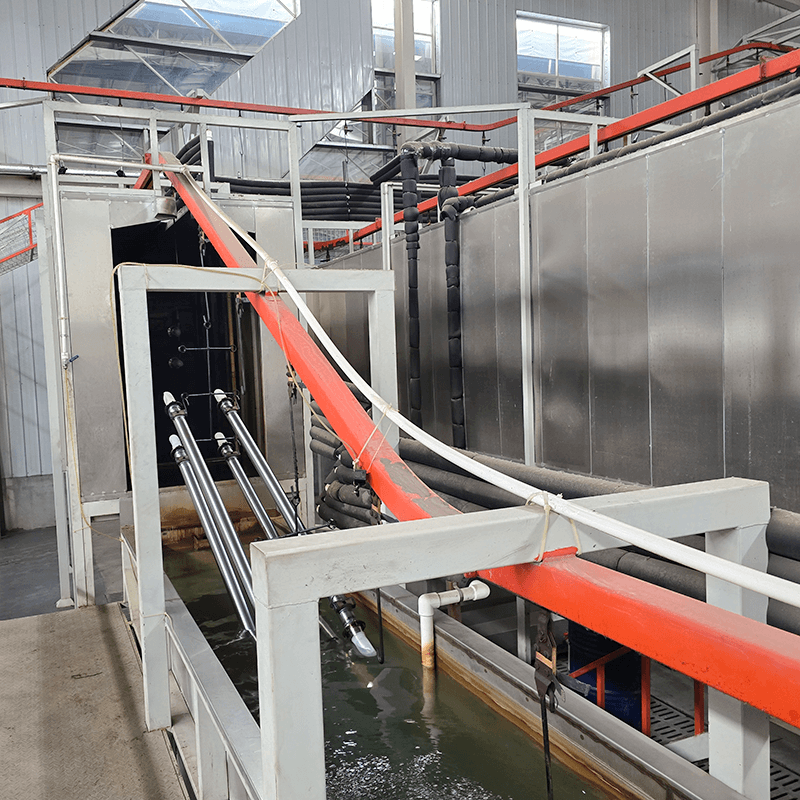
Cathodic coatings excel by creating an impermeable barrier. This dense matrix isolates the substrate from external electrolytes and moisture. Anodic coatings offer less robust barrier properties due to the inherent substrate dissolution that occurs during deposition. Baseline salt-spray testing outcomes under ASTM B117 protocols clearly favor cathodic films. Cathodic parts routinely survive hundreds of hours longer in salt fog chambers before showing initial signs of red rust or blistering.
Different substrates react uniquely to applied electrical charges. Carbon-steel, cold-rolled steel, galvanized steel, and aluminum require specific handling and voltage adjustments. Conversion coatings are absolutely necessary for both systems to ensure proper adhesion. Zinc phosphate or modern thin-film zirconium treatments prepare the metal surface by creating a micro-crystalline structure. The chosen e-coat chemistry dictates the strictness of this pre-treatment. Cathodic systems demand pristine, highly refined conversion coatings to prevent bath poisoning.
UV degradation profiles differ drastically between the two chemistries. Epoxy-based cathodic e-coats degrade rapidly under direct sunlight. The UV rays break down the epoxy bonds, leading to a phenomenon known as chalking. Therefore, cathodic coatings almost always require a weatherable liquid or powder topcoat for exterior use. Conversely, acrylic-based anodic e-coats offer excellent UV stability. They maintain their gloss and color retention without a topcoat, making them ideal for single-coat interior applications.
Voltage requirements dictate the throwing power and penetration depth. Cathodic systems generally operate at higher voltages, often between 200 and 400 volts. This high potential drives the paint deeper into complex cavities. It also results in superior edge coverage. As the paint pulls away from sharp edges during the curing process, the high cross-linking density of cathodic epoxies maintains a thicker barrier. This reduces the risk of early rust formation on sharp geometries and laser-cut edges.
Electrophoretic Coating Comparison Matrix
Feature | Anodic System | Cathodic System |
|---|---|---|
Part Polarity | Positive | Negative |
Paint Particle Charge | Negative | Positive |
Metal Dissolution | Yes | No |
Corrosion Resistance | Moderate | Excellent |
UV Stability | High | Low |
Operating Voltage | 50 - 150V | 200 - 400V |
Primary Application | Appliances, Furniture | Automotive, Heavy Machinery |
Initial capital expenditure varies significantly between the two technologies. Cathodic systems require larger, more robust rectifiers to handle the higher voltage demands. They also need specialized dialysis cells to continuously remove excess acid generated during the coating process. Advanced ultrafiltration requirements further increase equipment costs. Anodic systems bypass the need for complex dialysis cells. This lowers the initial barrier to entry for smaller finishing operations.
Electrical consumption depends heavily on voltage requirements and curing profiles. Cathodic systems draw more power during the deposition phase. Furthermore, cathodic epoxy resins typically require higher-temperature curing ovens, often exceeding 350°F (175°C). This increases natural gas or electrical heating demands. Bath chemistry replenishment, continuous circulation pumps, and precise pH balancing add to the ongoing operational expenses for both systems. Cathodic baths require more frequent analytical testing to maintain stability.
Both systems deliver exceptional transfer efficiency compared to spray applications. Closed-loop ultrafiltration allows these lines to achieve over 95% paint utilization. The ultrafilter separates the paint solids from the water. This creates a permeate rinse that washes uncoagulated paint off the parts and returns it directly to the main tank. This closed-loop efficiency minimizes material waste, lowers per-part coating costs, and maximizes production throughput.
Environmental compliance requires careful waste management strategies. Heavy metals and volatile organic compounds (VOCs) present distinct regulatory challenges. Treating wastewater from anodic lines differs from managing cathodic effluent. Historically, anodic systems utilized heavy metals to boost corrosion resistance. However, the industry is rapidly shifting toward heavy-metal-free formulations for both chemistries. Modern ultrafiltration minimizes discharge, making both systems highly compliant with strict environmental regulations when managed correctly.
Bacterial growth and ionic contamination constantly threaten bath stability. Aerobic and anaerobic bacteria can thrive in the warm, nutrient-rich paint bath. Ionic drag-in from poor pre-treatment rinsing introduces unwanted salts. These factors destabilize the electrolyte balance, causing the paint to coagulate prematurely or drop out of suspension. Once the bath drops out, recovery is extremely difficult and expensive.
Mitigation requires strict operational discipline. Continuous circulation prevents paint settling and eliminates stagnant zones where bacteria breed. Strict reverse osmosis (RO) water quality control minimizes ionic drag-in. You must keep the microsiemens count within specification. Routine chemical titration and laboratory analysis ensure the bath remains within optimal operating parameters.
Poor electrical contact ruins the coating process instantly. If the part loses connection with the rack, deposition stops. Gas entrapment causes severe pinholing and bare spots. Hydrogen gas generation in cathodic systems requires careful management. Bubbles can easily become trapped in inverted cavities, leaving the metal completely bare and unprotected.
Custom racking design is critical to mitigate these risks. Engineers must design racks with robust, cleanable contact points using copper splines or stainless steel hooks. Optimal part orientation prevents gas pockets from forming. Adequate drainage points ensure uniform potential distribution across the entire part. Proper drainage also prevents drag-out of the expensive paint chemistry into the rinse stages.
Conduct a comprehensive part audit to define exact environmental exposure and warranty requirements.
Run pilot salt-spray tests on your specific metal substrates using both anodic and cathodic chemistries.
Consult with chemical suppliers and equipment integrators to calculate precise lifetime operational expenses.
Design custom racking systems early in the planning phase to ensure optimal electrical contact and fluid drainage.
Evaluate your local environmental regulations regarding wastewater discharge and VOC emissions before finalizing equipment specifications.
A: The primary difference is electrical polarity. In anodic systems, the part acts as the positive anode, causing trace metal dissolution into the paint. In cathodic systems, the part is the negative cathode. This completely isolates and protects the substrate without sacrificing the base metal.
A: Automotive parts require extreme durability. Cathodic e-coating delivers superior corrosion resistance and excellent salt spray performance. The process changes the structure's electrical potential, preventing substrate oxidation and ensuring the metal survives harsh road conditions, moisture, and chemical exposure.
A: Yes, but it requires significant equipment modifications. You must install new DC rectifiers to handle higher voltages. The tank needs different anode and cathode cell configurations, including dialysis cells. Finally, you must completely drain, clean, and replace the entire chemical bath.
A: The Four E's represent Economics, Energy, Efficiency, and Environmental factors. Economics covers initial equipment costs. Energy tracks power consumption for rectifiers and ovens. Efficiency measures paint transfer rates. Environmental factors guide wastewater treatment and VOC compliance strategies.
A: Both systems utilize closed-loop ultrafiltration to minimize waste and achieve high transfer efficiency. However, modern cathodic systems often feature advanced heavy-metal-free formulations. This makes wastewater treatment easier and reduces environmental toxicity compared to older anodic chemistries containing heavy metals.


