

close
Choose Your Site
Global
Social Media
Views: 0 Author: Site Editor Publish Time: 2026-09-01 Origin: Site


Tightening margins and strict environmental mandates present massive hurdles for modern industrial manufacturers. You face relentless pressure to meet corporate ESG goals and launch zero-landfill initiatives. These regulatory and financial demands force production managers to scrutinize every stage of the manufacturing process. Unmanaged material waste directly damages your profitability while simultaneously exposing severe operational inefficiencies. Throwing away expensive raw materials is no longer acceptable. Fortunately, integrating a modernized Powder Coating Line solves these critical issues head-on. You will discover how it functions as a strategic asset for measurable material reclamation and robust cost control. This article reveals the true costs of inefficient finishing and explores core waste reduction mechanisms. We also compare top recovery technologies and outline actionable steps to upgrade your operations safely and profitably.
Modern powder coating lines can achieve up to 95–98% material utilization through closed-loop recovery systems.
Optimizing first-pass transfer efficiency reduces the immediate volume of overspray, lowering wear on recovery equipment.
Choosing between cartridge and cyclone recovery systems depends heavily on a facility's color changeover frequency.
Reaching "zero landfill" requires strict management of the virgin-to-reclaim powder ratio to prevent finish degradation.
Evaluating a new coating line requires assessing baseline waste, calculating payback periods, and mitigating cross-contamination risks.
You cannot improve your finishing process without first defining the baseline problem. In traditional or outdated application systems, overspray remains a severe issue. Overspray can account for 30% to 50% of your sprayed material. This means nearly half of your purchased raw material misses the target substrate completely. It falls to the booth floor or disappears into the exhaust filtration system. This represents a staggering loss of capital. Operating under these conditions destroys your profitability. It also puts intense strain on your supply chain.
You must understand the distinct economics separating liquid and powder applications. Liquid paint overspray represents a total financial loss. You cannot reclaim atomized liquid solvent or waterborne paints. Furthermore, liquid paint sludge requires hazardous waste disposal. This triggers complex environmental compliance protocols. Powder behaves differently. Powder is dry and highly reclaimable. You can capture it, filter it, and spray it again. This fundamental difference makes powder application financially superior. However, you must utilize the right equipment to unlock these savings.
Wasted material incurs hidden costs beyond the initial purchase price. It is not just lost powder. Unreclaimed overspray triggers heavy industrial disposal fees. It fills your waste bins rapidly. High overspray volumes also destroy your filter media. Your booth exhaust filters clog faster. You must replace them constantly. Furthermore, excessive waste demands intense labor hours. Maintenance teams spend hours sweeping and vacuuming unmanaged powder. All these factors drain your operational budget silently. You must view uncaptured overspray as a systemic operational failure.
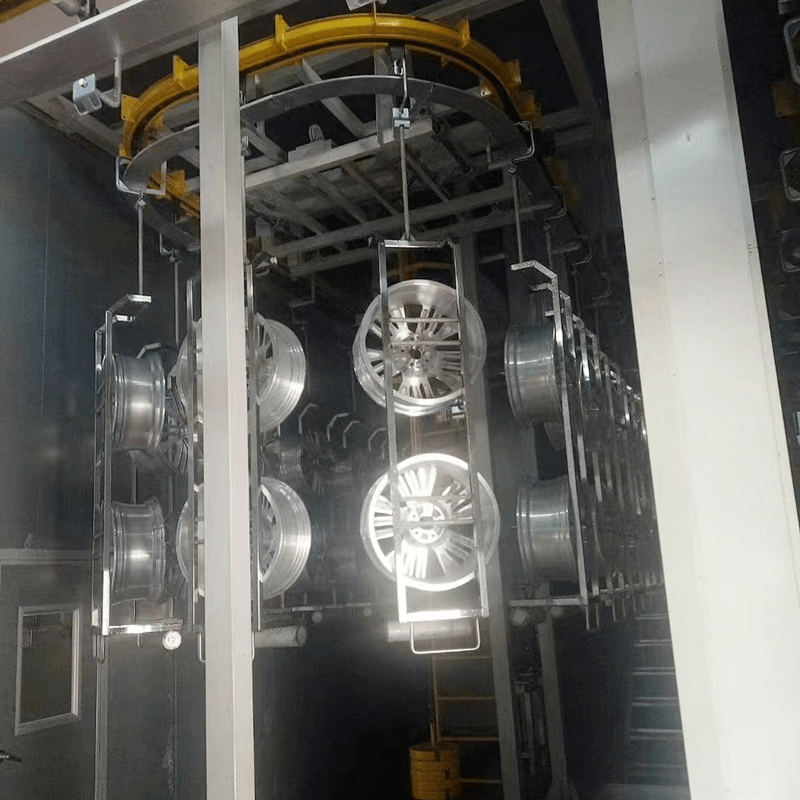
Maximizing first-pass transfer efficiency remains your primary defense against material waste. Electrostatic application drives this critical metric. Corona guns impart a strong negative electrical charge to the particles. Tribo guns use mechanical friction to charge them positively. Both methods force the powder to seek the grounded metal substrate aggressively. High transfer efficiency means more material sticks immediately. This reduces the immediate volume of overspray. It lowers the physical burden placed on your recovery equipment.
Automated gun positioning plays a massive role in improving transfer rates. Modern booths utilize advanced part recognition sensors. These light curtains detect part sizes, shapes, and gaps. They trigger the spray guns to activate only when a target is present. This eliminates empty spraying between parts. It stops material from discharging into an empty booth. This simple automation upgrade saves thousands of pounds of powder annually.
Closed-loop recovery systems provide the ultimate solution for waste elimination. They shift your operation from "waste generation" to "material circularity." These systems capture overspray dynamically. They filter out ambient contaminants efficiently. Finally, they route reusable powder directly back to the feed hopper.
A closed-loop system generally follows these precise steps:
Vacuum extraction pulls airborne overspray from the application zone.
Separation units isolate reusable particles from the exhaust airstream.
Vibratory sieves remove clumps, lint, and external debris.
Pneumatic pumps transport the sifted material back to the feed center.
The system blends reclaimed powder into the virgin stock automatically.
You must select the correct recovery technology for your specific production schedule. Cartridge filter systems excel during long, uninterrupted production runs. They work best for single or dedicated colors. They offer incredible utilization rates. You can reach up to 98% material utilization easily. The physical media traps nearly all airborne particles. However, cartridge systems carry severe limitations. They present a high risk of cross-contamination. Cleaning deep-pleated filters takes hours. If you run multiple colors daily, cartridge systems cause unacceptable downtime.
Cyclone recovery systems solve the color-change bottleneck completely. They suit high-mix manufacturing environments perfectly. You achieve approximately 90% to 95% recovery efficiency. They use rapid centrifugal force to extract powder from the airstream. The heavy particles spin outward and fall into a collection bin. This prevents material from embedding into deep filter media. Booth cleaning happens rapidly. Operators simply blow down the smooth stainless-steel walls. You experience minimal downtime during frequent changeovers.
You need a solid evaluation framework before purchasing a system. Guide your purchasing decision by weighing material cost savings against operational uptime.
Assess Batch Sizes: Large, uniform batches favor cartridge units. Small, varied batches demand cyclones.
Calculate Changeover Labor: Measure how many hours operators spend cleaning traditional booths currently.
Evaluate Powder Costs: Highly expensive specialty powders might justify slower cartridge changeovers to maximize physical recovery.
Review Production Targets: If throughput speed dictates your revenue, prioritize the rapid cleaning capabilities of a cyclone.
System Feature | Cartridge Filter Systems | Cyclone Recovery Systems |
|---|---|---|
Best Application Profile | Single color or rare color changes | High-mix, multiple daily color changes |
Material Utilization Rate | Up to 98% | 90% to 95% |
Cleaning and Changeover Speed | Slow (Often 1 to 2 hours) | Rapid (Often 10 to 15 minutes) |
Cross-Contamination Risk | High (Powder embeds in media) | Low (Smooth internal surfaces) |
Cost-benefit analysis requires absolute transparency. Avoid integrators promising "100% recovery." This metric is physically impossible. Exhaust air always carries microscopic fines away. Provide a realistic framework instead. Calculate your specific return on investment accurately. Base your calculations on your actual material cost per pound. Factor in your exact line speed. Use realistic reclaim percentages based on your chosen technology.
You must understand the technical necessity of the virgin-to-reclaim ratio. You cannot spray 100% recycled powder constantly. The physical reclaim process alters particle size distributions. Fine particles accumulate heavily over time. Spraying an excess of "fines" ruins the surface finish. You will experience severe surface defects. A common defect is "orange peel," where the paint fails to flow out smoothly. Manufacturers must blend reclaimed powder into virgin stock consistently. A 70/30 or 80/20 virgin-to-reclaim ratio works best. This preserves the chemical integrity of the finish.
Payback periods for these systems become very attractive quickly. Reducing waste lowers your bulk powder purchasing volumes dramatically. It also slashes your monthly waste disposal fees. These combined financial savings pay for the recovery equipment. Typical well-managed facilities see complete equipment payback within 12 to 18 months. Transforming waste into an asset protects your bottom line.
Cross-contamination destroys product quality instantly. Poor booth cleaning causes severe finishing defects. You will see specking on lighter finished parts. Darker particles from previous runs embed themselves into the new coating. This leads to immediate customer rejects. Such failures negate your waste-reduction efforts entirely. You end up wasting reclaimed powder and stripping rejected parts. Establish strict cleaning standard operating procedures. Audit your operators regularly to ensure compliance.
Environmental control matters immensely for reclaim viability. You must regulate temperature and humidity inside your application facility. High humidity causes dry powder clumping. Clumped powder ruins fluidization. It blocks vibratory sieves and chokes pneumatic feed hoses. Poor environmental control turns expensive powder into useless bricks. Maintain strict climate control around the application zone and storage areas. Keep humidity below 50% if possible.
Operator training remains a non-negotiable requirement. Advanced automation does not replace human intelligence. It requires highly skilled oversight. Operators must monitor air-to-powder ratios constantly. They must ensure proper equipment grounding daily. Poor grounding destroys transfer efficiency instantly. It creates the dreaded Faraday cage effect on complex parts. Train your team continuously. They must treat reclaimed powder like a valuable liquid asset.
Audit your existing processes before authorizing capital expenditure. Measure your current first-pass transfer efficiency precisely. Do this before buying heavy recovery modifications. Sometimes, optimizing existing gun placement saves thousands of dollars. Check your ground hooks. Clean your part racks. Small operational fixes improve baseline metrics instantly. You need clean data before sizing a new recovery system.
Evaluate your potential vendors strictly. Demand modular booth designs from your systems integrators. Modular systems allow for future expansion. Ask vendors to demonstrate actual color-change times in a test facility. Do not rely solely on brochure claims. Furthermore, verify their absolute compliance with NFPA and OSHA standards. Combustible dust safety is critical. Uncertified equipment poses a severe explosion risk to your facility.
Take decisive action today. Encourage your engineering team to request a custom waste-reduction analysis. Calculate your potential ROI using your specific part geometries and production volumes. Integrating a modern Coating Line requires precise mechanical engineering. The right integration partner will prove the financial case mathematically before installation begins. They will guide your transition toward zero-landfill operations securely.
Reducing material waste is primarily an engineering challenge offering a highly predictable financial return.
An optimized coating line transforms sunk costs into recoverable assets quickly.
Modern recovery systems directly support and accelerate corporate sustainability and ESG mandates.
Closed-loop systems require strict environmental control and dedicated operator training to succeed.
Next Steps: Contact our engineering team for a comprehensive line audit or a detailed recovery system consultation.
A: A modern system realistically achieves 90% to 98% material utilization. The exact percentage depends heavily on your chosen recovery system. It also relies on your specific color-change frequency. Facilities running single colors see the highest utilization rates.
A: Most standard solid-color powders recycle easily. However, metallic or bonded powders require highly specialized handling. Reclaiming metallics without caution alters the flake distribution. This often degrades the aesthetic finish. Always consult your powder manufacturer for specific reclaim guidelines.
A: Cyclone systems use centrifugal separation to pull powder from the air. This allows for extremely rapid color changes. Filter cartridges use physical media filtration. Cartridges offer higher absolute recovery percentages but require extensive cleaning time between colors.
A: It does not affect quality if managed properly. Reclaimed powder must be thoroughly sifted to remove debris. You must also blend it with virgin powder at manufacturer-recommended ratios. This maintains the proper particle size distribution and prevents surface defects.


