

close
Choose Your Site
Global
Social Media
Views: 0 Author: Site Editor Publish Time: 2026-07-31 Origin: Site


Transitioning to an upgraded industrial surface finishing system requires significant capital investment. Facilities make this critical decision to achieve significantly faster curing times. They also desperately need higher throughput and radically reduced floor space. Production demands continually push for faster output schedules. Traditional thermal drying requires long cooling buffers and extensive physical footprints. These legacy setups waste valuable manufacturing real estate. Conversely, modern ultraviolet systems cure applied chemical layers almost instantly.
However, achieving a consistent finish requires precise machine synchronization. You must align preparation, application, and curing modules perfectly across the entire run. This comprehensive guide outlines the architectural components of a complete finishing system. You will discover industry-specific integration models tailored to various industrial substrates. We also detail objective criteria for evaluating equipment vendors thoroughly. By following these steps, you can confidently select machinery matching your exact production needs.
Modular Architecture: A functional UV coating line is not just a curing lamp; it requires synchronized dust removal, application (roller or spray), and leveling stations.
Throughput vs. Quality: Line speed must be mathematically matched to photoinitiator reactivity and lamp intensity to prevent under-curing or substrate warping.
Integration Choices: Deciding between inline integration and offline batch processing dictates your required footprint and automation level.
Vendor Due Diligence: Shortlisting should prioritize manufacturers that offer baseline testing with your specific substrates and proprietary coatings.
Manufacturers often face severe bottlenecks during the drying phase. Traditional solvent or water-based thermal lines take hours to dry completely. Parts must travel through long convection ovens. Afterward, they sit on expansive cooling racks before handling. This waiting period disrupts continuous manufacturing flows. Ultraviolet chemicals solve this problem entirely. They rely on rapid photochemical reactions rather than heat evaporation. The fluid cross-links almost instantly upon exposure to high-intensity light. Your team can immediately stack, package, or machine the finished parts. This eliminates massive work-in-progress inventories sitting on the factory floor.
Space is a premium asset in any manufacturing facility. Thermal drying ovens easily stretch for dozens of meters. They monopolize valuable real estate inside your plant. Upgrading your equipment reclaims this wasted space immediately. A modern curing station occupies a fraction of that footprint. You can condense a hundred-foot drying tunnel into a compact ten-foot module. You can repurpose this reclaimed floor space for additional assembly lines. It also allows you to increase raw material storage capacity.
Investing in ultraviolet equipment requires a higher upfront capital expenditure. Specialized photo-reactive chemicals also cost more per gallon than traditional paints. However, you quickly offset these initial expenses through operational efficiency. These modern systems drastically reduce daily energy consumption. You eliminate the massive gas or electricity bills required to heat convection ovens. Furthermore, ultraviolet formulations contain virtually zero volatile organic compounds. This significantly lowers your environmental compliance costs and exhaust filtration expenses. Finally, instantaneous curing minimizes reject rates. Wet paint attracts airborne dust easily. Shorter wet times mean less surface contamination and fewer discarded parts.
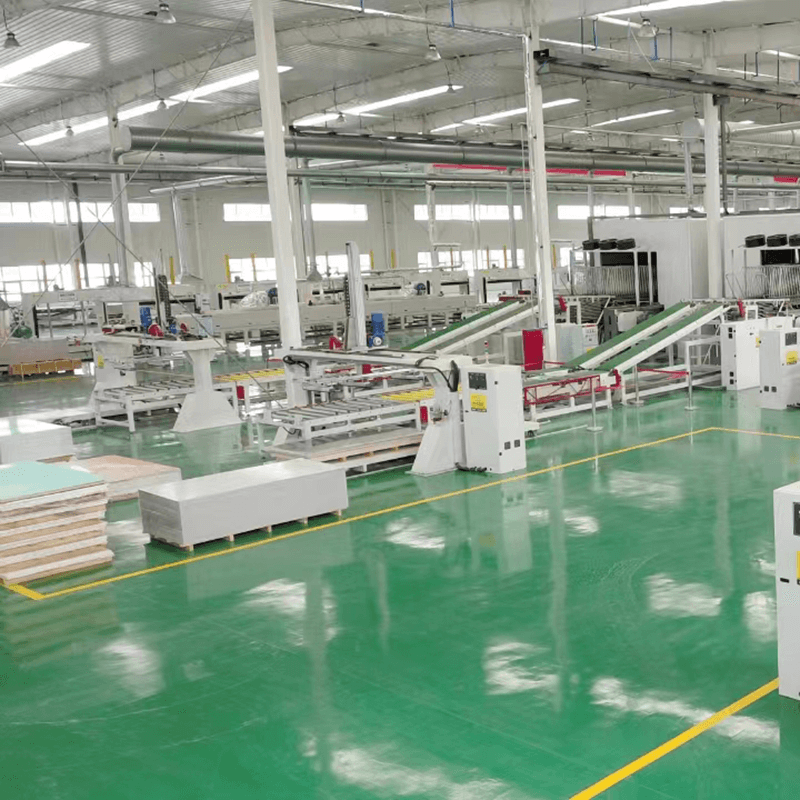
Implementing a complete UV Coating Line involves several distinct modules. Each section must communicate flawlessly to produce a high-quality finish.
Surface preparation remains absolutely non-negotiable for proper chemical adhesion. If dust remains on the substrate, the applied fluid will fail to bond. This causes delamination and unacceptable visual defects. Facilities must evaluate different cleaning mechanisms based on substrate static profiles. Brush rollers physically sweep large debris off the material surface. Ionized air knives break the static charge holding fine dust particles. High-velocity vacuum systems then extract the suspended particles away from the production area. You must sequence these tools correctly before applying any chemicals.
Selecting the correct applicator depends entirely on your product geometry. Industry standards recognize two primary application techniques.
Application Method Comparison Chart
Application Method | Ideal Substrates | Transfer Efficiency | Key Equipment Requirements |
|---|---|---|---|
Roller Application | Flat panels, flooring, glass, flat doors | Up to 95% (Low waste) | Precision doctor blades, rubber applicator rollers |
Spray Application | 3D parts, profiled cabinet doors, automotive plastics | 40% - 60% (Moderate waste) | Reciprocating arms, robotic heads, overspray recovery |
Roller setups work best for perfectly flat panels like hardwood flooring. They offer incredibly high transfer efficiency. They produce almost zero chemical waste. Conversely, spray setups handle complex three-dimensional parts easily. You must use spray methods for profiled cabinet doors or automotive plastics. However, spraying necessitates advanced overspray recovery systems to minimize expensive chemical loss.
A common misconception assumes ultraviolet chemicals require zero leveling time. This is entirely false. After application, the viscous fluid needs time to flow out evenly. Without a leveling zone, you will see visible roller marks or spray mottling. Operators calculate the required tunnel length based on production speed and chemical viscosity. Many systems utilize gentle infrared heat inside the leveling tunnel. The heat temporarily drops the fluid viscosity. This allows the surface tension to flatten the finish before final hardening.
The final module physically hardens the applied layer. Facilities must choose between traditional arc lamps and modern LED arrays. Arc lamps emit a broad spectrum of light. They generate significant infrared heat alongside the ultraviolet energy. This heat helps cure thick, industrial topcoats deeply. However, the high temperatures can easily warp sensitive materials. LED systems offer a highly focused, narrow wavelength. They emit almost zero infrared heat. This protects delicate plastics and prevents pine wood from outgassing. LEDs cost more initially but offer drastically reduced energy consumption.
Different materials require entirely different processing strategies. A tailored UV Coating Line ensures proper adhesion and aesthetic quality across various substrates.
Wood is a naturally porous and inconsistent material. It absorbs fluids unevenly across its grain structure. Managing these porous substrates requires a multi-station processing approach. A single continuous run typically incorporates several sequential steps. First, a heavy sealer coat fills the open grain. The system instantly hardens this sealer. Next, automated sanding modules rough up the sealed surface slightly. This provides a mechanical profile for the next layer. Finally, the topcoat module applies the final protective sheen. Combining these steps into one continuous flow maximizes furniture production efficiency.
Applying finishes to metal presents unique engineering challenges. The primary goals include achieving maximum anti-corrosion properties and extreme scratch resistance. Metal surfaces reflect intense heat generated by traditional mercury arc lamps. Thin-gauge metals will warp severely under high-intensity radiation. Managing this thermal load is critical for success. Engineers often specify chilled water rollers beneath the conveyor belt. These rollers act as heat sinks. They pull excess temperature away from the metal part during the intense hardening phase.
The cosmetics industry demands flawless aesthetic finishes on small plastic containers. These items represent high-volume, low-margin commodities. Manufacturers often utilize direct inline integration for these products. The system prints the container graphics and immediately applies a protective clear coat. Ensuring scratch protection remains the highest priority for consumer packaging. However, plastics possess very low thermal deformation thresholds. They will melt easily under standard arc lamps. Facilities must deploy cool-running LED arrays to maintain tight physical tolerances on complex geometric shapes.
Deciding how to place the equipment on your factory floor fundamentally impacts your daily operations. You must choose between connected or separated production workflows.
Inline processing connects your primary manufacturing equipment directly to the finishing equipment. The product flows continuously without human intervention.
Operational Pros: This method provides a seamless transition from manufacturing directly to finishing. It drastically reduces manual material handling costs. It lowers the risk of dropping or damaging parts during transit.
Implementation Risks: A single stoppage in the finishing module halts the entire manufacturing plant. If the spray gun clogs, the preceding printing press must stop immediately. This strategy requires highly advanced programmable logic controller (PLC) synchronization.
An offline Coating Line operates independently from your primary manufacturing machinery. Workers move batched products to the finishing area manually.
Operational Pros: Standalone setups offer unmatched production flexibility. You can process distinct batches from multiple different production sources on one machine. It also makes maintenance scheduling much easier. A maintenance shutdown here does not stop the rest of your factory.
Implementation Risks: This approach requires dedicated labor for loading and unloading the conveyor. It also demands increased floor space for staging work-in-progress inventory bins.
You should never purchase capital equipment based purely on brochure specifications. Always demand a vendor-run pilot test before signing any contracts. Vendors must use your specific raw materials during the demonstration. They must also utilize your proprietary chemical formulations. This empirical testing verifies the final mil thickness accurately. It proves the finish adheres properly to your exact substrate.
Manufacturers often exaggerate maximum operating speeds in their marketing materials. You must demand verifiable engineering data regarding speed limits. The fluid requires a specific amount of light energy to cross-link properly. We measure this energy in Joules per square centimeter. If you run the conveyor too fast, the energy dosage drops below the chemical manufacturer's minimum requirement. The surface will remain tacky and fail field performance tests.
Review the vendor's strategy for environmental control carefully. Traditional mercury arc lamps generate harmful ozone gas during operation. The machine design must include robust extraction blowers to remove this ozone safely. You must also evaluate their thermal management systems. Check if they use chilled rollers or forced air cooling. Proper temperature control prevents sensitive parts from burning or warping.
Equipment downtime ruins production schedules and destroys profit margins. You must assess the domestic availability of critical replacement parts. Ensure the vendor stocks replacement lamps, reflectors, and rubber applicator rollers nearby. Review their proposed service level agreements thoroughly. Guarantee they offer rapid technical support and fast technician dispatch times. Strong post-sale support matters just as much as the initial machinery quality.
Investing in a high-speed finishing system is a transformative step for any industrial manufacturer. It eliminates severe production bottlenecks while radically shrinking your required facility footprint. However, success depends entirely on proper structural engineering. The preparation, application, leveling, and hardening modules must work cohesively. They must be engineered specifically for your unique substrate and chemical formulation.
Begin your procurement journey by aggressively documenting your exact production requirements. List your target conveyor speed, maximum part dimensions, and preferred chemical chemistries. Use this specific data to screen potential equipment vendors. Finally, request a comprehensive proof-of-concept run from your shortlisted manufacturers. Verify the results empirically before finalizing your capital investment.
A: A curing machine is a single unit that applies UV light. A full coating line includes automated material handling, dust cleaning, the physical coating applicator (roller/spray), leveling zones, and the curing unit working in synchronized sequence.
A: Generally, no single applicator does both efficiently. Roller coating lines are strictly for flat substrates, while spray coating lines with robotic or reciprocating arms are required for profiled or 3D parts.
A: Line speed is dictated by the slowest variable: the time required for the coating to level out, and the UV exposure time required to fully cross-link the specific chemistry of your coating. This must be tested empirically.
A: LED UV offers lower heat transfer (crucial for plastics/pine wood) and longer bulb life, but traditional arc lamps often provide better surface curing (UVC wavelengths) for hard industrial topcoats. The choice depends entirely on your coating formulation.


