

close
Choose Your Site
Global
Social Media
Views: 0 Author: Site Editor Publish Time: 2026-06-04 Origin: Site


For process engineers and plant managers, coating machine failures do not just mean a rejected batch. They mean severe throughput bottlenecks. They also compromise your operational ROI. Legacy coating systems often suffer from compounded errors. Minor mechanical wear escalates rapidly. Small fluid delivery inconsistencies quickly become major surface defects. They can also trigger severe web handling failures. Moving from reactive troubleshooting to systemic reliability requires understanding the root causes behind these failures. We must look beyond the immediate symptoms to find lasting solutions. This guide dissects the most common vulnerabilities across various coating technologies. It also provides a robust decision-stage framework. You can use it when evaluating upgrades or deciding to invest in a modern coating production line.
Surface Prep is Critical: Up to 74% of adhesion failures stem from inadequate substrate pre-treatment rather than the coating machine itself.
Precision Relies on Controls: Fluid dynamics (viscosity, pressure) and mechanical alignment (tension control) must be managed via modern PLC systems; manual relay systems are obsolete.
Clogging & Wear Demand Redesign: Recurring nozzle blockages and transmission degradation indicate a fundamental mismatch between the equipment design and the coating material.
Predictive Maintenance Drives Uptime: Transitioning to predictive maintenance protocols can reduce emergency repairs by up to 55% and hold tighter thickness tolerances.
High scrap rates directly impact your business margins. Failed quality control checks destroy client trust. Surface defects are usually the most visible indicator of an unstable process. They reveal underlying process deviations long before a complete machine failure occurs.
Visual defects rarely happen by accident. They follow strict causal relationships tied to application variables. We must identify these variables to eliminate the defect entirely. Below are the three most common visual irregularities:
Orange Peel: Excessive atomization pressure fails to let droplets flow out smoothly. The surface dries too fast, leaving a bumpy, peel-like texture.
Over-wetting: Insufficient pressure relative to fluid viscosity leaves the substrate excessively wet. It leads to picking, sticking, and eventual peeling during drying.
Pinholes and Craters: Material impurities cause these microscopic voids. Volatile reactions occurring during the curing stage often trap gas, forcing it to escape and pop through the drying film.
Defects like craters or outgassing are frequently tied to material contamination. You must inspect your raw material batches. Contaminated fluids will behave unpredictably regardless of equipment precision.
Buyers often blame the coater for poor adhesion. However, evidence points elsewhere. A staggering 74% of delamination is caused by surface contamination. Improper surface energy preparation also plays a massive role. The substrate must be ready to receive the fluid. Evaluate your upstream pre-treatment options before replacing the primary coating unit. We strongly recommend testing plasma cleaning or corona treatment. These methods drastically increase surface energy. They ensure the fluid bonds on a molecular level.
Modern applications require rigorous standards. Tolerances of +/- 5% thickness require stringent baseline checks. Unstable viscosity directly fluctuates the fluid deposition rate. Uncalibrated target distances, especially in physical vapor deposition (PVD) systems, distort the spray pattern. Fluctuating pump pressures create wave-like thickness variations. You must monitor these baseline criteria continuously. Measure viscosity shifts hourly. Check pump calibration weekly. This prevents minor deviations from ruining entire production runs.
Web breaks bring continuous roll-to-roll operations to an immediate halt. Wrinkling destroys product integrity. These failures waste expensive raw materials. Battery pole sheets and technical textiles are particularly vulnerable. Recovering from a web break wastes both labor and material.
You can identify tension issues by observing roll behavior. Discussing these symptoms helps operators intervene early. Telescoping is a prime example. It is often caused by lateral tension variations exceeding 15%. Baggy webs occur when center tension outpaces edge tension by more than 3%. We must differentiate between equipment failures and raw material defects. Irregular foil camber is a material defect. Misaligned guide rollers exceeding 0.1°/meter tolerance indicate an equipment failure. Use the table below to classify these issues correctly on your coating line.
Symptom | Primary Cause | Tolerance Threshold | Classification |
|---|---|---|---|
Telescoping | Lateral tension variation | > 15% variation | Equipment/Setup |
Baggy Webs | Center vs. edge tension mismatch | > 3% mismatch | Material/Camber |
Web Drift/Wandering | Misaligned guide rollers | > 0.1° per meter | Equipment |
Operational risks escalate when drive zones lose synchronization. Drive mismatches create severe friction damage. If a backing roll spins even 1% faster than the web, it creates micro-scratches. It also induces wrinkling across the material surface. Prevent this by isolating tension zones. Modern setups utilize closed-loop load cells. They pair these sensors with servo-driven tension isolation zones. These zones actively monitor and adjust web speed. They stop error propagation instantly.
Monitor humidity levels to prevent material expansion.
Install closed-loop load cells at every transition point.
Calibrate servo drives quarterly to ensure perfect synchronization.
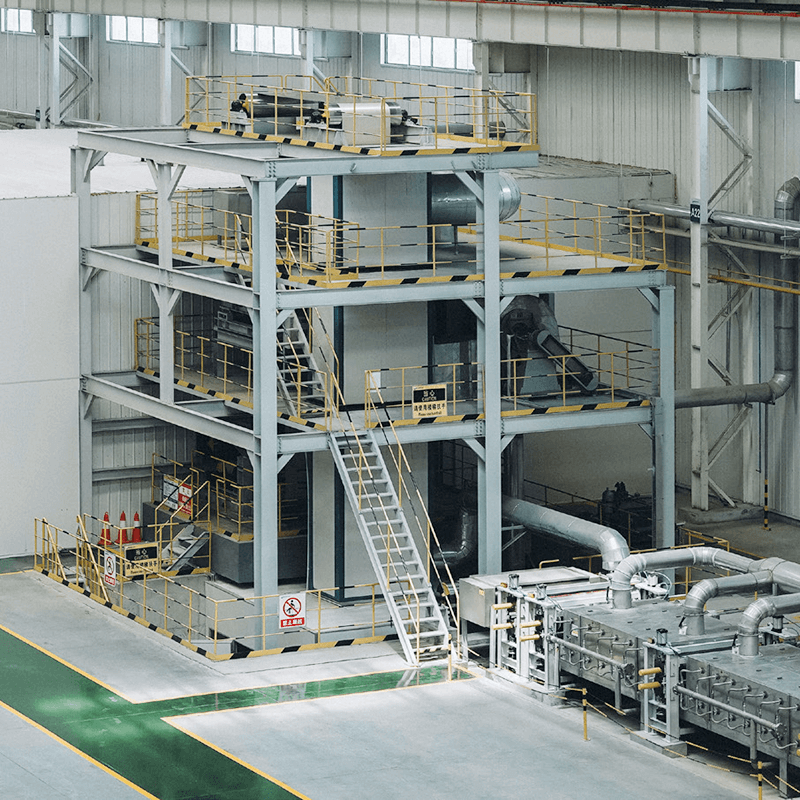
Inconsistent fluid flow leads to starved coatings. Thermal degradation ruins expensive adhesive batches. Fluid delivery networks represent the heart of any wet application process. They must remain clear, temperature-stable, and consistent.
High-viscosity liquids frequently clog traditional spray nozzles. Suspended solids and crystallizing solutions cause severe blockages. This issue plagues the food and pharma industries heavily. Clogs create immediate back-pressure. This pressure strains the entire pumping system and accelerates seal wear. When evaluating a new setup, consider alternative technologies. Nozzle-less atomization works exceptionally well. Spinning disk technologies eliminate traditional choke points. They use centrifugal force to atomize fluids. This totally removes the risk of crystallization blockages.
Thermal degradation is a silent profit killer. Hot melt systems left at operating temperatures during idle periods suffer immensely. The adhesive begins charring and smoking inside the tank. This changes its chemical properties entirely. In high-energy setups like PVD or high-speed drying zones, equipment overheating poses serious dangers. Strict baseline thresholds are mandatory. Limit continuous high-power runs to safe intervals. Integrate temperature alarms directly into your control loop. Buyers must demand automated standby modes. A smart machine lowers its temperature to a safe threshold automatically when paused.
Unplanned downtime from structural degradation severely cripples production scalability. The inability to gather real-time data leaves operators flying blind. Physical machinery eventually wears down. How we monitor and address this wear dictates overall factory output.
Over 30% of mechanical failures originate from undetected wear. Bearings and shafts degrade slowly over thousands of operating hours. Furthermore, degraded concrete foundations cause micro-vibrations. These vibrations subtly destroy precision alignment. Modern repair techniques offer compelling alternatives to total replacement. Advanced polymer composite repairs work wonders here. They avoid the thermal distortion associated with traditional welding. You can patch a foundation or a bearing housing without disassembling the entire unit. Evaluate these options carefully before undertaking a full module replacement.
Legacy machines rely on relay controls and manual dials. They lack precision. They also create hygiene blind spots. Dust and debris accumulate rapidly on physical buttons. This creates contamination risks in cleanroom environments. Relying on manual dials also prevents recipe-driven automation. Transitioning to fully integrated PLCs is non-negotiable. Add touch-screen HMIs for operator clarity. Implement variable frequency drives (VFDs) for precise motor control. These upgrades guarantee consistent batch-to-batch repeatability. They turn analog guesswork into digital certainty.
Purchasing a new setup is a highly capital-intensive decision. Buyers must look beyond basic specification sheets. You must evaluate system integration capability. The long-term viability of the equipment matters most.
A reliable vendor should provide a comprehensive troubleshooting matrix. This matrix must separate material chemistry limits from mechanical tolerances. It should also account for operator error. If a vendor claims their machine magically solves all application problems, remain highly skeptical. Chemistry, mechanics, and human operation intersect daily. A good vendor acknowledges this reality. They will help you define standard operating procedures tailored to their specific hardware.
Drying is always the highest energy sink in the factory. Assess innovations carefully. Look for secondary air-return systems. Evaluate advanced heat-recovery modules. However, ensure these additions do not introduce aggressive air turbulence. Excessive turbulence could wrinkle the web. It might also pose explosion risks if volatile solvents are present. Balance energy efficiency with process stability.
The ideal machine integrates native sensor arrays out of the box. These sensors track motor loads continuously. They record precise temperature curves. Implementing predictive maintenance on these systems can cut emergency interventions by more than half. It also secures strict tolerance limits. Below is a summary chart defining the key evaluation criteria for a new line.
Evaluation Dimension | Key Feature to Look For | Primary Benefit |
|---|---|---|
Material-Equipment Fit | Troubleshooting Matrix | Separates material flaws from machine faults |
Energy Efficiency | Secondary Air-Return Systems | Lowers energy draw without web turbulence |
Predictive Readiness | Integrated Sensor Arrays | Cuts emergency repair downtime by up to 55% |
Use these dimensions to filter vendors. Demand data-backed guarantees regarding thermal control and tension accuracy. This approach ensures your investment yields a highly stable, automated environment.
Coating defects and machine failures are rarely isolated incidents. They are symptoms of systemic imbalances. These imbalances root themselves in tension mismatches, fluid dynamic instability, and poor thermal control. Legacy mechanics simply cannot keep pace with modern tolerance demands. Before investing in a full system overhaul, take action immediately. Conduct a thorough baseline audit of your current equipment. Check mechanical alignment, sensor health, and material preparation stages. If you decide to upgrade, prioritize a modern coating production line. Ensure it offers closed-loop PLC controls. Demand robust preventative maintenance tracking. This structured approach secures long-term, scalable operational success.
A: The root cause is rarely the coating machine itself. The vast majority of adhesion failures are due to improper substrate pre-treatment or surface contamination prior to coating.
A: Optimizing the drying and curing ovens is key. Implementing secondary air-return systems and upgrading to high-efficiency heat exchangers can lower energy costs, provided they are balanced to avoid web flutter or wrinkling.
A: To prevent adhesive from charring or smoking, the system should automatically lower its temperature to a predefined standby level if production pauses for more than a few minutes.
A: These are opposing issues tied to atomization: "orange peel" is generally caused by excessively high air pressure failing to let the droplets flow out smoothly, while "over-wetting" (leading to dripping or picking) occurs when pressure is too low relative to fluid viscosity.


