

close
Choose Your Site
Global
Social Media
Views: 0 Author: Site Editor Publish Time: 2026-06-02 Origin: Site


Industrial coating stands far apart from basic aesthetic painting. It is a highly engineered functional surface treatment. You deploy it specifically to survive harsh operating environments and chemical exposure. Manufacturers do not use these processes simply to add color. They use them to engineer durability directly into the substrate.
A poorly optimized coating production line inevitably creates severe operational bottlenecks. Subpar environmental controls quickly lead to catastrophic adhesion failures across entire product batches. Furthermore, outdated application methods expose your facility to massive environmental compliance liabilities and raw material waste.
We built this guide to give manufacturing engineers and operations leaders an evidence-based framework. You will discover exactly how to evaluate your current application methods. We will show you how to specify better chemistries and safely scale your industrial coating processes for maximum yield.
Preparation dictates success: Up to 80% of all coating failures (fisheyes, blistering, peeling) stem from improper surface preparation, making pre-treatment the most critical stage of any coating line.
Process dictates deposition: Choosing between physical application (roll-to-roll, dip) and atomic deposition (PVD, CVD) depends heavily on geometry complexity, volume, and required bond type (adhesive vs. metallurgical).
Material dictates infrastructure: Selecting high-performance polymers (e.g., PTFE, PVDF) or specific epoxies heavily influences the curing infrastructure required, introducing risks of thermal shock or substrate deformation if mismatched.
Modernization drives ROI: Upgrading to automated electrostatic systems or SCADA-monitored spray booths drastically reduces overspray, material waste, and compliance risks.
Building a reliable production setup requires non-negotiable operational phases. You cannot skip these steps without sacrificing product quality. Let us outline the physical infrastructure required to engineer a flawless finish.
Surface preparation acts as your primary defense against delamination. You must forcefully remove dust, moisture, and localized salts before applying any resin. Facilities achieve this baseline using pressure washing, acidic etching, or abrasive sandblasting. These methods strip away invisible contaminants.
Risk Factor: Failure to achieve a neutral, properly textured surface guarantees adhesion failure. It does not matter how expensive or advanced your polymer formulation is. If the substrate hides oils or lacks mechanical tooth, the coating will peel.
The actual application environment demands strict atmospheric controls. You need heavily regulated cleanroom conditions to prevent airborne debris from landing on wet surfaces. High-volume setups utilize downdraft spray booths equipped with robust inlet and exhaust filtration systems. These mechanisms constantly flush the air, trapping overspray and dust.
Modern application zones rely heavily on automation. Anthropomorphic robots now dominate the modern coating line. They sweep spray guns across complex parts with perfect consistency. This automation ensures repeatable mil-thickness, eliminating the human error inherent in manual spraying.
Wet films must transform into solid, protective barriers through precise curing mechanisms. Different chemistries demand completely different curing environments. You must differentiate between three primary modes:
Oxidative Curing: Alkyd formulations dry by pulling oxygen directly from the surrounding air.
Chemical Curing: Two-part epoxy and polyurethane systems rely on a rapid chemical reaction between a resin and a hardener.
Thermal and UV Curing: Powder coats bake under high heat, while specialized light-cured resins cross-link instantly under ultraviolet lamps.
Operational Reality: Facilities are rapidly transitioning to low-temperature curing chemistries. This shift saves massive amounts of energy. It also protects heat-sensitive substrates, like plastics and thin-gauge aluminum, from warping in the oven.
You cannot manage what you cannot measure. Establishing strict compliance standards requires precise characterization of the finished product. Non-Destructive Evaluation (NDE) lets you verify quality without destroying the part. Inspectors routinely use ultrasonic gauges to verify dry film thickness. For advanced micro-defect detection, laboratories deploy X-ray fluorescence (XRF) and atomic force microscopy (AFM). These tools confirm the barrier integrity at a molecular level.
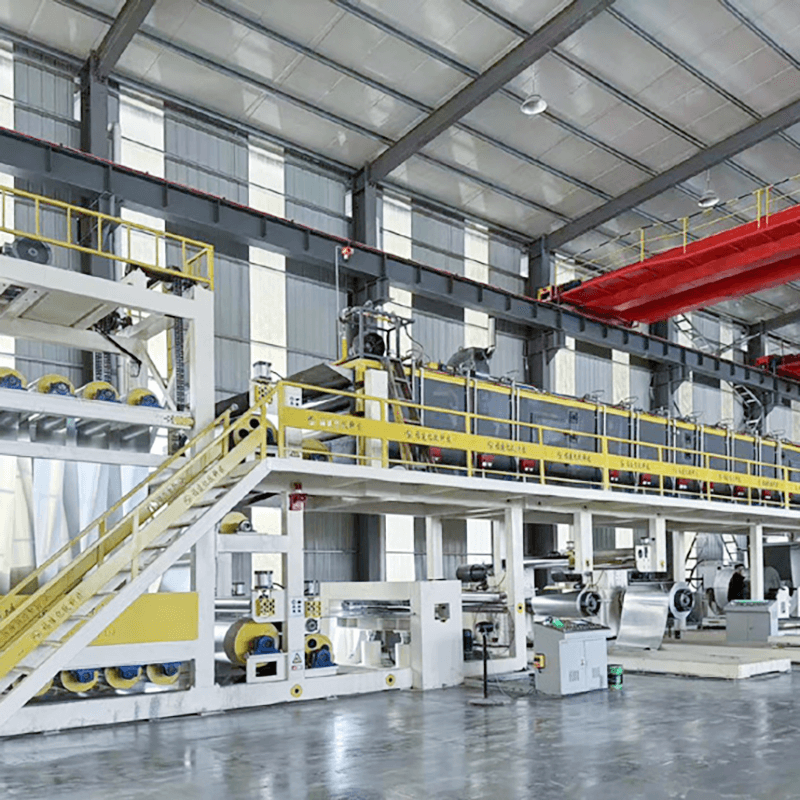
You must match your deposition method to your production volume, part geometry, and available capital expenditure. Below is a decision framework comparing standard industrial techniques.
Spray technologies offer incredible flexibility for varying batch sizes. They easily handle changing product dimensions throughout the shift.
Electrostatic Coating: This method leverages negative and positive charges. The spray gun negatively charges the atomized paint particles. The grounded metal substrate attracts these particles like a magnet. This physics hack drastically cuts overspray waste and wraps paint around complex conductive parts perfectly.
Thermal Spray (HVOF): High-Velocity Oxygen Fuel (HVOF) systems propel molten metals or ceramics at supersonic speeds. The impact creates a true metallurgical bond rather than a simple mechanical grip. Engineers use this for extreme wear resistance.
When you need to process millions of linear feet, spray guns become inefficient. Bulk methods deliver massive throughput.
Roll-to-Roll (Slot Die/Gravure): This remains the industry standard for continuous, flat-web materials. Manufacturers use it heavily for battery films, flexible packaging, and solar panels. It offers precise fluid metering and unparalleled processing speed.
Dip & Flow Coating: Dipping proves highly cost-effective for complex 3D shapes. Spray lines often suffer from blind spots, but dipping submerses the entire part. However, you must implement strict viscosity and flow-rate controls. Otherwise, the fluid pools at the bottom edges, ruining uniform film thickness.
Certain industries require flawless, microscopic barrier layers. These methods demand significant capital investment but deliver unmatched precision.
E-Coat (Electrophoretic): You submerge complex geometries into an electrically charged bath of water-based paint. The electrical current forces the polymer to deposit uniformly over every surface. It easily reaches deep crevices unreachable by spray guns. The automotive industry highly favors E-Coat for anti-corrosion primers.
Physical/Chemical Vapor Deposition (PVD/CVD): These processes execute micro-level deposition inside high-vacuum chambers. They alter the surface at an atomic level to provide extreme wear resistance or specific optical properties. PVD and CVD represent the highest capital expenditure in the industry.
Process Category | Primary Method | Best Suited For | Capital Expenditure |
|---|---|---|---|
Particulate / Spray | Electrostatic Spray | Complex conductive metals, mid-volume batches | Moderate |
Bulk / Physical | Roll-to-Roll (Slot Die) | Flat-web materials, battery films, high throughput | High |
Bulk / Physical | Dip & Flow | Complex 3D geometries with blind spots | Low to Moderate |
Atomic Deposition | E-Coat | Automotive frames, deep crevice protection | High |
Atomic Deposition | PVD / CVD | Extreme wear resistance, optical lenses, micro-tools | Very High |
Specifying the correct formulation determines the ultimate lifespan of your product. You must evaluate chemistries based on substrate compatibility, performance environments, and base costs.
We must strongly emphasize the structural difference between these two terms. Industrial coatings utilize complex resin systems engineered for chemical resistance and wear isolation. Conversely, paints prioritize aesthetic pigmentation. Paints typically utilize thinner solvent bases meant only to look good, not to survive mechanical abuse.
Every standard formulation carries inherent compromises. You trade off certain resistances to gain others.
Epoxy Systems: Epoxies provide excellent long-term durability and aggressive chemical resistance. They typically cost between $30 and $100 per gallon. Trade-off: They remain highly vulnerable to UV degradation. If you place an epoxy outdoors, it will rapidly chalk and lose its gloss.
Polyurethanes: These resins offer high flexibility. They easily handle thermal expansion, contraction, and physical abrasion. Pricing ranges from $40 to $150 per gallon. Trade-off: Polyurethanes prove susceptible to gradual aging and yellowing over long periods.
Zinc-Rich Primers: These primers provide sacrificial cathodic protection. They cost roughly $20 to $50 per gallon. The zinc corrodes intentionally to protect the underlying steel. Even if the barrier gets scratched, the zinc sacrifices itself, stopping rust from creeping under the film.
Extreme operating environments demand specialized molecules. These chemistries push the boundaries of materials science.
Fluoropolymers (PTFE/PVDF): These materials offer extreme chemical resistance and incredibly low friction coefficients (ranging from 0.05 to 0.20). They also exhibit low smoke properties during combustion. Risk: Cross-linking requires curing temperatures reaching up to 500°F. This intense heat will quickly warp standard plastics and thin metals.
Emerging Tech: Engineers now deploy self-healing materials containing microscopic capsules of healing agents. When the surface scratches, the capsules break and seal the breach. Aerospace sectors also increasingly specify ice-phobic nano-coatings to prevent hazardous freezing at high altitudes.
Running a successful coating production line requires deep operational expertise. You must proactively identify hidden costs and engineering pitfalls before they ruin your yield.
Matching your cure temperature to your substrate limits is critical. A high-bake powder coat requires temperatures exceeding 400°F. If you send a plastic housing or a thin-gauge aluminum panel through that oven, it will distort. You must identify mismatched cure temperatures early in the design phase to prevent catastrophic deformation.
Your facility environment directly dictates the final film quality. Uncontrolled ambient humidity and temperature swings cause massive disruptions. Sudden changes lead to thermal shock on the part surface. High humidity traps moisture, causing solvent popping as the liquid tries to escape. Poor atmospheric control also prevents proper molecular cross-linking during the critical cure phase.
Traditional manual spray lines face severe regulatory scrutiny. Local agencies heavily monitor Volatile Organic Compounds (VOCs) and hazardous overspray. Failing to control emissions triggers massive fines.
Solution: Modern facilities integrate predictive maintenance software, such as SCADA systems, to monitor booth parameters. They enclose the application zones using electrostatic recovery systems. These upgrades capture lost powder or fluid, maintaining strict environmental compliance while significantly lowering raw material spend.
Operations directors face difficult decisions when upgrading legacy systems. You need actionable strategies before signing vendor contracts or purchasing new equipment.
Evaluate whether the required precision justifies the massive capital expenditure. Installing high-vacuum PVD chambers requires millions of dollars and specialized operators. If you run lower-volume, highly complex batches, partnering with a toll processing service makes financial sense. Outsourcing mitigates your internal risk while guaranteeing expert application.
Assess the specific labor reduction gained by moving away from manual batch spraying. Transitioning to an automated, robotic coating line dramatically increases quality consistency. Robots do not get tired, and they do not overspray. They hit the exact mil-thickness target every single cycle. This precision slashes rework rates and drastically reduces hazardous waste disposal fees.
Never choose a formulator based solely on price per gallon. Shortlist formulation partners based on their engineering support. They must prove their ability to match complex chemistries to your existing curing constraints. Demand empirical NDE testing validation from their labs before you approve any new material for your facility.
Industrial coating is never an afterthought of manufacturing; it functions as a highly complex surface engineering discipline.
Optimizing your application methods requires a holistic evaluation of substrate tolerances, deposition technology, and internal environmental controls.
Modernizing your equipment directly mitigates catastrophic failures, ensuring consistent part longevity in the field.
We strongly encourage stakeholders to conduct a comprehensive internal audit of their existing surface preparation and curing capabilities before specifying any new material system.
A: Paint is primarily formulated for aesthetics and color, utilizing higher solvent ratios for thin application. Industrial coatings are engineered for functional protection, focusing on anti-corrosion, wear resistance, and chemical isolation. They typically build thicker, robust, cross-linked barriers designed to survive extreme industrial environments.
A: Industry data indicates that up to 80% of coating failures are directly tied to inadequate surface preparation. Remaining contaminants, such as unseen oils, salts, or dust, actively prevent mechanical or metallurgical adhesion. This contamination inevitably leads to rapid blistering and full delamination.
A: For high-volume manufacturing, automated lines using electrostatic or roll-to-roll technology rapidly generate a return on investment. They drastically reduce overspray waste, lower VOC emission penalties, and virtually eliminate human error in maintaining strict mil-thickness consistency.
A: Coatings like zinc-rich primers provide cathodic protection. They are carefully formulated with metals more reactive than the underlying substrate. This means the coating intentionally oxidizes and rusts to protect the underlying structural steel, successfully halting corrosion even if the surface barrier gets physically breached.


