

close
Choose Your Site
Global
Social Media
Views: 0 Author: Site Editor Publish Time: 2026-08-28 Origin: Site


An Electrophoretic Coating Line delivers superior adhesion and exceptional corrosion resistance. However, its return on investment entirely depends on constant uptime. Bath stability plays an equally crucial role. Equipment vendors frequently promise automated, hands-off operations. They paint a picture of effortless manufacturing. The operational reality tells a vastly different story. Operators must manage complex chemical, electrical, and mechanical systems every single day. Neglecting these interacting systems quickly degrades coating quality. Minor oversights create massive production bottlenecks. This article provides a transparent look at preventative maintenance. We explain the exact steps required to sustain high yield. You will learn how to stabilize chemical baths and prevent catastrophic equipment failures. We also explore how to evaluate new equipment for long-term maintainability. By shifting from reactive firefighting to proactive care, you protect your production schedules.
Consistent yield requires strict adherence to daily bath chemistry monitoring and automated filtration management.
Predictive maintenance on rectifiers and anode cells prevents catastrophic coating defects and unplanned downtime.
When evaluating a new Automotive Electrophoresis Line, prioritizing accessible pump layouts and integrated sensor diagnostics minimizes long-term operational expenses.
Modernization of legacy systems—such as upgrading ultrafiltration units—can extend line life without the capital expenditure of a full replacement.
Downtime in a coating facility drains profitability rapidly. Neglecting routine maintenance leads to severe financial consequences. A ruined paint tank costs thousands of dollars in chemical replacement alone. You must also account for hazardous waste disposal fees. Rejected parts and scrapped metal ruin your daily production metrics. Reworking defectively coated parts requires intense labor. These hidden expenses multiply quickly when lines stop unexpectedly.
Paint in a dip tank is not just static liquid. It is a living system of resins, pigments, and carefully balanced solvents. When a tank sits idle due to a mechanical breakdown, resin settles to the bottom. Bacteria thrive in poorly maintained rinse zones. A minor mechanical failure, like a broken circulation pump, quickly cascades. It turns into a massive chemical loss. You cannot afford to let the fluid stagnate.
We measure maintenance success by sheer predictability. A robust program shifts your facility away from reactive firefighting. You establish a schedule-based servicing routine instead. Operators learn to anticipate component wear before failure occurs. This proactive approach ensures consistent film builds. It ultimately protects your profit margins and keeps delivery schedules intact.
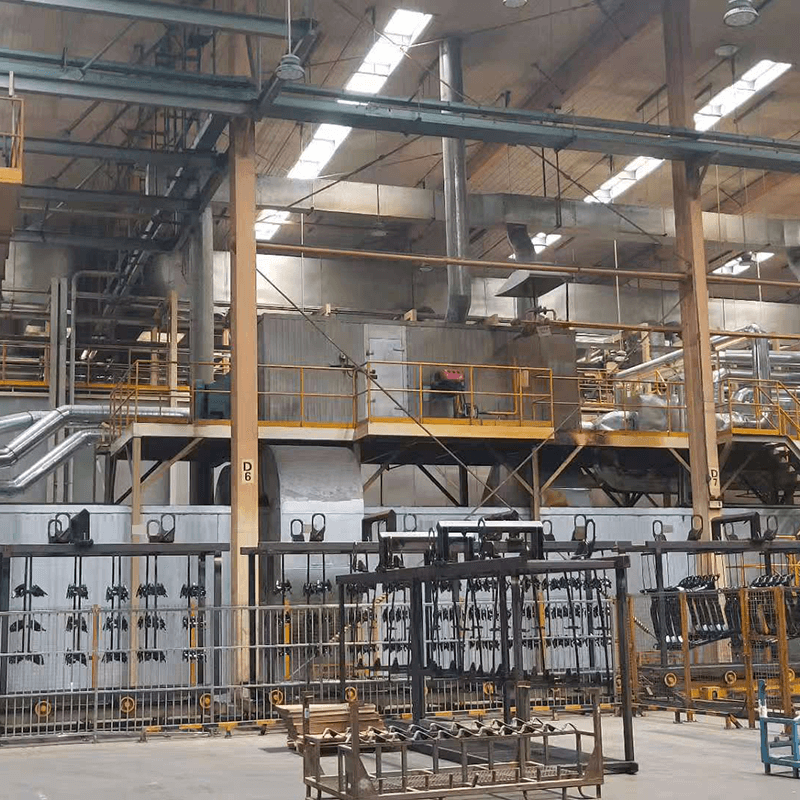
Filtration systems serve as the kidneys of your entire operation. Ultrafiltration (UF) units remove excess water and harmful impurities. Reverse osmosis (RO) systems ensure your final rinses remain pristine. Heavy-duty bag filters catch physical debris before it ruins the finish. Proper management of these assets prevents surface defects.
You must monitor permeate flow rates constantly. A sudden drop in flow signals dangerous membrane fouling. Operators frequently debate when to clean versus replace UF membranes. Best practice dictates chemical cleaning when the flow drops fifteen percent below your baseline. Delaying this procedure destroys the delicate membrane permanently.
Best Practice: Keep detailed logs of daily pressure differentials across all bag filter housings.
Common Mistake: Pushing membranes past their flow-rate thresholds to save short-term maintenance time.
Electrocoating relies entirely on precise electrical fields. Rectifiers provide the necessary direct current. Anodes complete the vital electrical circuit. You must ensure absolute power supply consistency. Any fluctuation alters the thickness of your paint layer.
Check your system for voltage ripples regularly. A ripple disrupts the coating film build and causes visual defects. Clean all electrical contacts to prevent resistance buildup. You must also flush the anolyte fluid routinely. This flushing prevents membrane fouling inside the anode cells. A clogged cell causes dangerously thin coating patches on your parts.
Best Practice: Use thermal imaging cameras monthly to spot overheating rectifier connections.
Common Mistake: Allowing bare copper busbars to oxidize heavily in the humid plant environment.
Parts move through the process constantly. High-volume operational stress destroys weak conveyor systems. This reality becomes especially apparent on an Automotive Electrophoresis Line. These lines handle massive, heavy throughput daily. The mechanical strain never stops.
You need strict, uncompromising lubrication schedules. However, over-lubricating poses significant risks. Dripping oil easily contaminates the pretreatment stages or the main e-coat baths. Inspect all contact points and carrier hooks routinely. Grounding reliability remains non-negotiable. Poor grounding leads directly to pinholes and heavily rejected parts.
Best Practice: Utilize high-temperature, non-silicone lubricants designed specifically for paint environments.
Common Mistake: Applying excess grease to chains directly above open dip tanks.
The main tank usually gets all the attention. However, pretreatment does the heaviest lifting. Degreasing, phosphating or zirconium stages, and DI rinses prepare the raw metal. If these stages fail, the paint will never adhere properly.
Remove sludge in the phosphate stages frequently. Accumulated sludge clogs pipes and coats your heat exchangers. Check your spray nozzle alignment weekly. Misaligned nozzles cause severe cross-contamination. They drag acidic pretreatment chemicals directly into the main electrocoating bath. This drag-out ruins your delicate bath stability instantly.
Best Practice: Descale heat exchangers in the pretreatment zone every six months.
Common Mistake: Ignoring worn nozzles, which leads to blind spots on complex metal geometries.
Maintenance requires intense, consistent effort. Vendors might claim their systems run entirely by themselves. This marketing pitch is rarely true. You need a rigorous, documented schedule to succeed long-term. Transparency matters here. Skipping minor checks often results in major line stoppages.
Daily routines focus on immediate chemical health and fluid dynamics. Weekly tasks target mechanical wear and electrical consistency. Monthly tasks dive deeper into structural integrity and sensor calibration. Following this sequence prevents minor issues from snowballing.
Table: Standard Preventative Maintenance Schedule for E-Coating Operations
Frequency | System / Component | Task Description | Success Metric |
|---|---|---|---|
Daily | Bath Chemistry | Check bath temperature, pH, and conductivity. | Values remain within vendor-specified tolerances. |
Daily | Filtration | Verify pump pressures and inspect filter gauges. | No pressure spikes; permeate flow remains steady. |
Daily | Quality Control | Conduct visual inspection of coating film build. | Zero pinholes or uneven thickness on test panels. |
Weekly | Pretreatment | Clean spray nozzles in all post-rinse stages. | Full spray patterns with no blind spots or clogging. |
Weekly | Electrical | Test rectifier output and inspect connections. | Zero voltage ripple detected across the system. |
Weekly | Material Handling | Inspect hoist or conveyor grounding hooks. | Optimal electrical continuity on every rack. |
Monthly | Anode Cells | Perform deep cleaning of anode cells and flush lines. | Anolyte fluid remains clear and flows freely. |
Monthly | Automation | Calibrate all automated dosing sensors and probes. | Chemical additions match actual bath depletion rates. |
Quarterly | Infrastructure | Structural inspection of tank linings and heat exchangers. | No visible corrosion, leaks, or scale buildup. |
Procurement choices dictate your future maintenance pain. You must guide your buying team carefully. Demand specific structural features from vendors during the early procurement stage. A lower initial price tag often hides a maintenance nightmare.
Design for access represents your first priority. Ask if maintenance teams can reach pumps safely. Heat exchangers and filter housings must be easily accessible. You should never have to halt the entire line just to swap a basic bag filter. Clear walkways and ground-level pump skids save countless labor hours.
Next, evaluate the smart diagnostics integration. Demand robust Programmable Logic Controller (PLC) systems. Smart sensors alert operators to pressure drops immediately. They flag voltage anomalies before they cause actual defects. This technology shifts your team from guessing to knowing.
Finally, assess component standardization. Avoid vendors using proprietary wear parts. Vendors should utilize standard, commercially available valves, seals, and motors. This strategy dramatically reduces your supply chain risk. If a circulation motor dies on a weekend, you can buy a replacement locally. Proprietary parts force you to wait for overseas shipping while production halts.
You do not always need a completely new line. Facilities can often fix chronic maintenance issues through smart retrofitting. This solution approach helps buyers optimize their existing footprint. It limits massive capital expenditures while boosting output quality.
Consider several proven upgrade paths. Adding closed-loop automated dosing ranks highly. This addition stops manual chemical balancing errors instantly. Retrofitting modern tubular anodes improves electrical efficiency across the tank. Installing high-efficiency UF systems drastically improves your permeate recovery rates.
Use clear logic when shortlisting your options. How do you decide between a targeted retrofit versus a brand-new system? Start by evaluating your current physical footprint. Check your baseline energy consumption and daily defect rates. A targeted retrofit works beautifully if your main steel tanks remain structurally sound. Conversely, you should invest in a ground-up automated system if your foundation is severely corroded. Do not put new technology on a failing structural foundation.
The durability of your coating results directly from disciplined, documented maintenance. You cannot expect premium corrosion resistance from a neglected chemical bath. By monitoring your ultrafiltration systems and electrical components, you protect the core of your operation. Preventative care eliminates the chaos of unplanned shutdowns.
The best lines incorporate maintenance needs from the very first design drawing. They provide easy access to pumps and use standardized parts. This approach minimizes your long-term operational expenses while maximizing daily throughput. You secure your return on investment through routine vigilance.
Take action today to secure your production line. Request a comprehensive line audit from your engineering team. Download a detailed preventative maintenance checklist to standardize your daily operations. Consult with an equipment modernization specialist to explore targeted retrofits for your aging infrastructure.
A: Rely on permeate flow rates rather than fixed timeframes. You typically require chemical cleaning when flow drops 15 to 20 percent below your established baseline. Cleaning them too frequently degrades the membrane structure. Waiting too long causes irreversible fouling.
A: Pinholes usually point to basic maintenance failures. Inadequate filtration leaves physical dirt in the main tank. Poor grounding on the racks disrupts the required electrical field. Bacteria growth in the post-rinse stages also causes rough surface finishes.
A: Yes. You can integrate PLC-controlled dosing modules into existing tanks easily. These smart systems monitor pH and conductivity in real time. They eliminate manual chemistry balancing errors. This stabilizes your bath chemistry without requiring a completely new line.
A: Anolyte cells typically last three to five years. This timeline depends heavily on your daily production volume. It also relies on the strict maintenance of your anolyte flushing system. Proactive maintenance and regular flushing significantly extend this lifecycle.


