

close
Choose Your Site
Global
Social Media
Views: 0 Author: Site Editor Publish Time: 2026-01-30 Origin: Site


A modern coating line is a highly integrated production system that directly determines product appearance, corrosion resistance, and overall quality. However, even the most advanced coating line can experience operational issues if process control, maintenance, or management is not properly handled. For manufacturers, unplanned downtime, quality defects, and repeated adjustments in a coating line can quickly translate into higher costs, delayed delivery, and customer dissatisfaction.
This article provides a comprehensive and practical guide to the most common problems in coating line operation, combined with proven coating line troubleshooting methods and quick fixes. By analyzing typical coating defects, root causes, and solutions—supported by data tables and process comparisons—this guide aligns closely with real Google user search intent. It also highlights how systematic coating line maintenance can prevent issues before they occur and ensure long-term stable operation.
A coating line is a system composed of multiple subsystems, including pretreatment, coating application, curing, conveying, and control. Problems often arise not because of a single component failure, but due to interactions between processes.
Common reasons for coating line issues include:
Inadequate process parameter control
Inconsistent raw material quality
Insufficient operator training
Delayed or improper coating line maintenance
Aging equipment or outdated automation
Understanding these root causes is the foundation of effective coating line troubleshooting.
Before diving into specific solutions, it is helpful to categorize the most frequent coating line problems.
| Category | Typical Problems |
|---|---|
| Surface quality | Uneven coating, pinholes, bubbles |
| Adhesion | Peeling, poor bonding |
| Appearance | Color variation, orange peel |
| Process stability | Thickness fluctuation |
| Equipment | Conveyor failure, oven instability |
Each category involves different coating defects and requires targeted coating line troubleshooting strategies.
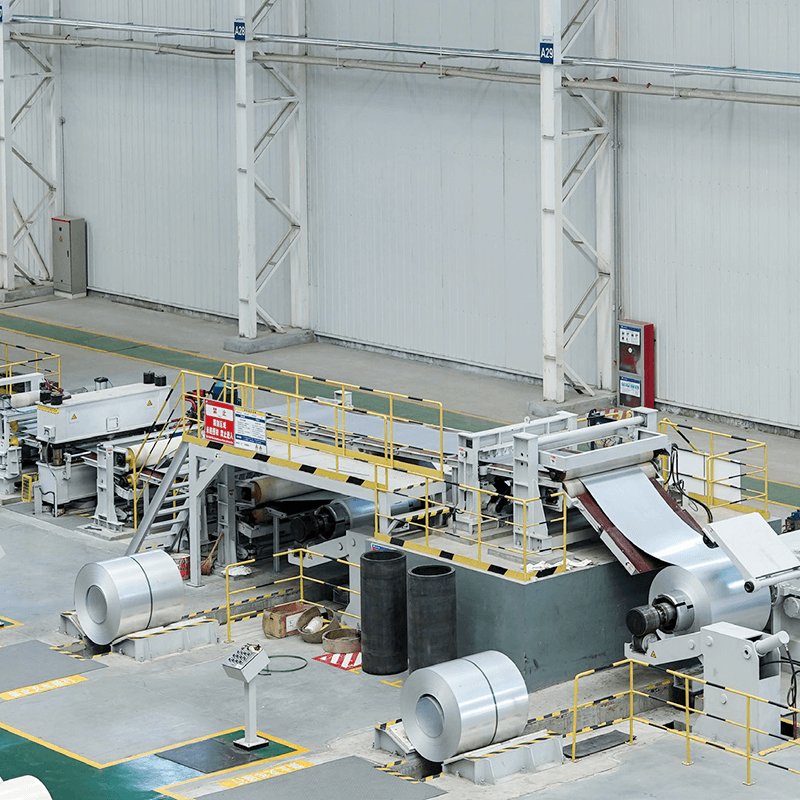
Uneven thickness is one of the most common coating defects encountered in a coating line, especially in spray and powder systems.
Visible streaks or patches
Inconsistent corrosion resistance
Rejected parts during inspection
Improper spray gun positioning
Unstable conveyor speed
Poor electrical grounding
Inconsistent material flow
Recalibrate spray guns or electrodes
Stabilize conveyor speed
Improve grounding points
Adjust material supply pressure
Consistent thickness control is a key indicator of a well-optimized coating line and should be monitored continuously.
Poor adhesion is a serious coating line problem that can lead to complete coating failure during product use.
Coating peeling after curing
Flaking during handling or assembly
Inadequate pretreatment
Surface contamination (oil, dust)
Incorrect curing temperature
Improve pretreatment cleaning stages
Enhance rinsing and drying processes
Verify oven temperature profiles
This type of issue highlights the importance of upstream process control and regular coating line maintenance.
Surface defects such as bubbles and pinholes are common coating defects that negatively affect appearance and performance.
Small holes or bubbles on surface
Rough or porous finish
Moisture trapped in substrate
Excessive coating thickness
Contaminated coating material
Improve drying before coating
Optimize coating thickness parameters
Filter or replace coating material
Effective coating line troubleshooting requires correlating defect patterns with process data rather than relying on visual inspection alone.
Color inconsistency is a frequent complaint in decorative coating line applications.
Visible color differences between batches
Uneven gloss levels
Inconsistent material mixing
Fluctuating curing temperature
Uneven spray distribution
Standardize material preparation procedures
Stabilize oven temperature zones
Optimize spray overlap patterns
Appearance-related coating defects are especially critical in consumer-facing products.
A coating line is only as reliable as its conveying system. Mechanical failures often cause cascading issues.
Sudden line stoppages
Parts colliding or misaligned
Inconsistent spacing between products
Poor lubrication
Misaligned rails or chains
Overloaded conveyors
Perform regular lubrication schedules
Re-align conveyor components
Adjust load distribution
Preventive coating line maintenance is the most effective way to avoid mechanical downtime.
Curing is a critical stage in any coating line. Oven instability directly affects coating performance.
Under-cured or over-cured coatings
Reduced hardness or adhesion
Faulty temperature sensors
Uneven airflow distribution
Aging heating elements
Recalibrate temperature sensors
Balance airflow within oven zones
Replace worn heating components
Oven performance should be a core focus of coating line troubleshooting programs.
Operational data shows that unresolved coating line problems can significantly impact productivity and cost.
| Issue Type | Productivity Loss | Cost Increase |
|---|---|---|
| Surface defects | 10–25% | High rework cost |
| Equipment downtime | 15–40% | Production loss |
| Adhesion failure | 5–15% | Warranty risk |
These figures demonstrate why proactive coating line maintenance delivers measurable ROI.
Effective coating line troubleshooting should follow a structured process rather than reactive adjustments.
Identify defect type and frequency
Trace defects to specific process stages
Review process data and historical records
Implement controlled parameter adjustments
Verify results and standardize solutions
This systematic method reduces trial-and-error and improves long-term coating line stability.
While quick fixes are important, preventive coating line maintenance is the most effective way to reduce problems.
Pretreatment tanks and filters
Spray guns or coating nozzles
Conveyors and drives
Ovens and airflow systems
Electrical and control systems
Experienced system integrators often design coating line solutions with maintenance accessibility in mind. Companies with decades of accumulated engineering experience, such as BONITA MACHINERY CO., LTD., emphasize maintainability and system stability from the design stage, helping customers minimize long-term operational risks.
| Maintenance Type | Frequency |
|---|---|
| Visual inspection | Daily |
| Cleaning and lubrication | Weekly |
| System calibration | Monthly |
| Comprehensive inspection | Annually |
Following these guidelines significantly reduces unexpected coating line failures.
Many coating defects can be traced back to insufficient coating line maintenance rather than process design flaws.
Dirty filters → Surface contamination
Worn spray guns → Uneven thickness
Poor grounding → Adhesion failure
Recognizing these links helps operators prioritize maintenance tasks that deliver the greatest impact.
Modern coating line systems are increasingly adopting intelligent technologies to reduce defects and downtime.
Real-time defect monitoring
Predictive maintenance systems
Data-driven process optimization
Remote diagnostics and support
These innovations significantly enhance coating line troubleshooting efficiency and reduce reliance on manual inspection.
The most common coating line problems include uneven coating thickness, poor adhesion, surface bubbles, and equipment downtime.
Most coating defects can be reduced through proper pretreatment, stable process control, and regular coating line maintenance.
Coating line troubleshooting is the systematic process of identifying, analyzing, and correcting issues affecting coating quality or production stability.
Basic inspections should be done daily, while comprehensive coating line maintenance should be scheduled monthly and annually.
While not all issues can be eliminated, proactive maintenance and data-driven control can reduce most coating line problems significantly.
A coating line is a long-term investment that requires not only advanced equipment, but also disciplined operation and maintenance. Understanding common coating defects, applying structured coating line troubleshooting, and implementing preventive coating line maintenance strategies are essential for stable, efficient, and high-quality production.
By shifting from reactive fixes to proactive management, manufacturers can transform their coating line from a frequent problem source into a reliable competitive advantage—supporting consistent quality, lower costs, and sustainable growth in an increasingly demanding global market.


